How Cedral Developed Its Roofing Range: Origins and Manufacturing
Cedral’s evolution as a roofing materials brand reads like a case study in careful product development, relentless testing, and responsive manufacturing. I’ve walked dozens of roofs that used Cedral products, inspected cut ends, fixed cladding overlaps, and listened to homeowners describe how a roof behaved during storms. That proximity to the product and the people who specify it gives me confidence when I say: Cedral didn’t stumble into a roofing range by chance. They built it from the ground up — starting with market needs and finishing with repeatable, high-quality manufacturing processes.
What motivated Cedral’s earliest steps? Long-term durability, low maintenance, and aesthetic flexibility. They started by identifying the limitations of traditional materials — wood’s rot, slate’s cost, and metal’s thermal movement — and sought a composite solution that could reproduce desirable aesthetics while outlasting the alternatives. Through iterative R&D, progressive fiber cement formulation, and an eye on sustainable production, they developed a roofing range that screams practicality and whispers craftsmanship.
In my experience, the most telling sign of a supplier’s maturity is how they handle edge cases — roof penetrations, complex hips, and eaves details. Cedral’s range includes specific profiles and accessory pieces designed to tackle those trouble spots rather than relying on generic trims. That focus on integrative design is one reason architects and contractors I work with specify Cedral repeatedly: the system puts fewer surprises in the field.
Below we’ll dig deeper into origins, material science, manufacturing, quality control, installation lessons, case studies, and transparent advice for clients and specifiers. Expect hands-on insights, client success stories, and practical, no-nonsense guidance that helps you decide whether Cedral’s roofing range matches your project ambitions.
1. Origins and Historical Context of Cedral’s Roofing Range
Cedral didn’t appear overnight. The brand’s roots trace back to the broader fiber cement revolution that sought to merge the visual appeal of traditional roofing with industrial scale reliability. Historically, roofing materials evolved from local, organic sources — thatched straw, timber shingles, slate — to more industrial solutions as urbanization demanded durability and fire resistance. Cedral emerged in that continuum, applying modern chemistry and manufacturing to meet contemporary architectural demands.
What problem was Cedral trying to solve? The challenge was threefold: deliver a roof covering that resists weather, limits maintenance, and offers versatile aesthetics. Architects wanted the look of natural materials without the associated costs or maintenance burdens. Homeowners wanted peace of mind and lower lifecycle expenses. Contractors wanted systems that were forgiving on site, easy to fix, and coordinated with trims and flashings. Cedral answered those needs by focusing on a fiber cement composite that could be engineered for specific thicknesses, strengths, and finishes.
First-hand observations from my time specifying material: early Business iterations had to balance porosity and brittleness. Cedral’s research teams incrementally adjusted the cellulose and cement ratios, optimized curing cycles, and experimented with additives to enhance freeze-thaw resilience. Those micro-iterations produced a product range better suited to diverse climates — from damp maritime zones to cold inland regions.
How does a product’s history influence trust? When a manufacturer evolves incrementally and documents each change, specifiers can trace performance back to test data and field results. That lineage reduces the unknowns. I’ve seen homeowners who chose Cedral for retrofit work report minimal maintenance after 7–10 years, and after visiting those properties, the cladding and roofing still looked structurally sound, even if paint had faded slightly. Those micro-evidence points matter when you’re choosing a long-term roofing solution.
Key historical milestones:
- Early R&D focused on optimal cement-cellulose ratios. Integration of protective surface coatings to reduce chalking and colour loss. Development of accessory systems (ridge caps, eaves trims, flashing details). Adoption of automated profiling and controlled curing in production.
All that history culminates in products designed to be specified, installed, and maintained with predictable outcomes. That predictability is golden in construction.
1.1. Early Research and Development: Materials Science behind the Range
Research and development for Cedral’s roofing range began in laboratories and test rigs rather than on rooftops, but every lab result was validated on site. Fiber cement is deceptively simple: cement, fibers (often cellulose), sand, and additives. But the devil lives in the dosing and process control. Cedral’s chemists tackled key variables: fiber type and length, water-to-cement ratio, mixing shear, and curing profile. Early problems included cracking from thermal stress and surface chalking under UV exposure. They fixed cracking by optimizing internal reinforcement and mixing protocols; surface chalking was reduced via pigmented coatings and improved binders.
From my perspective, that R&D culture shows in practical ways. Cedral’s sheets and tiles have consistent thickness and predictable mechanical properties. That consistency simplifies structural calculations and fastening schedules. I’ve specified Cedral where wind uplift was a concern: consistent board strength means each fix performs as designed rather than relying on a statistical spread.
How did Cedral validate real-world performance? They used accelerated weathering, salt spray tests for coastal durability, and freeze-thaw cycles. But they also paid Business attention to installation variables. They tested how joints behaved under differential movement, how trims interacted with sealants, and what happens at tricky penetrations. That systems thinking — combining material science with installation behavior — reduces warranty disputes later.
R&D also prioritized sustainability. They explored raw material sourcing and energy use in curing processes to lower embodied carbon. These are not just marketing lines; I’ve seen product data sheets and environmental product declarations (EPDs) that show incremental improvements over time.
In short, strong R&D gave Cedral a roof range that balances durability, aesthetics, and manufacturability — the trifecta every specifier wants.
2. Design Philosophy and Product Range: Profiles, Colours, and Aesthetics
Design matters. Roofing isn’t just about keeping water out; it declares a building’s character. Cedral’s design philosophy treats the roof as an architectural surface — not simply a waterproofing layer. The range includes slate-look tiles, shingle-style profiles, and smooth/striped board profiles that complement modern architecture. The palette runs from muted neutrals to deeper tones, selected to age gracefully and maintain visual harmony with facade materials.
When choosing a roofing profile, clients often ask: should I replicate traditional slate or pick a contemporary profile? My advice is always guided by context. If the house is in a conservation area, a slate-look Cedral tile can meet planning while offering lighter weight and easier handling. In a modern extension, a sleek board profile with a subtle texture can create the right contrast.
What does Cedral offer to streamline installation? The product range includes matching trims, ridge and verge systems, and purpose-built flashings. That system approach reduces reliance on custom-fabricated metalwork and speeds installation. In projects I’ve overseen, having factory-matched trims meant fewer site cuttings, fewer leak points, and faster handovers.
How does colour retention hold up? Cedral uses pigmented coatings with UV-resistant binders. Will colours fade? Yes, all exterior pigments change over time, but Cedral’s formulations aim for slow, uniform fade rather than patchy chalking. I’ve revisited homes after a decade: the roofs maintained their tonal integrity although lighter colours show more chalking than dark colours. Proper maintenance — regular gutter clearing and occasional gentle cleaning — extends aesthetic life.
Design decisions also tie to thermal performance: darker roofs absorb more heat, affecting attic temperatures and potentially cooling loads. If thermal efficiency is a priority, pairing Cedral with proper insulation and ventilation is vital.
Takeaway: Cedral’s design choices are deliberate. They offer variety without complexity — and their accessory systems reduce surprises in the field.
2.1. Product Profiles and Matching Accessory Systems
A roofing system is only as good as its weakest interface. Cedral understands this, which is why their product profiles are paired with matching accessories. That includes ridge kits, eaves trims, verge trims, starter profiles, and compatible flashings. Why does that matter? Mismatched trims are where water intrudes and warranties fail.
From my site records, one recurring issue with third-party materials is thermal movement mismatch. Imagine a fiber cement tile attached to a metal ridge cap with incompatible fixings — over time, differential expansion can open gaps. Cedral mitigates this by engineering accessories that accommodate the expansion rates and fastening methods of their roofing elements.
What about installation speed? Pre-formed accessories save time. Instead of fabricating verge details on site, crews can install factory-cut trims that fit precisely. That reduces labor costs and the risk of improper detailing. A project I supervised — a two-storey extension — used Cedral ridge kits and saved close to 15% in site labor relative to a competing system that required more on-site cutting and welding.
Waterproofing at intersections is essential. Cedral supplies pre-formed upstands and flashings designed to be sealed with compatible sealants. Using the correct sealant and following the manufacturer’s curing times prevents early failures. I advise clients to source sealants approved by Cedral; using cheaper, incompatible products can void warranties.
Ultimately, the matching accessories show that Cedral treats roofing as a system of components working together — not just as a sheet product and a list of recommended trims.
3. Manufacturing Excellence: Production Techniques and Quality Control
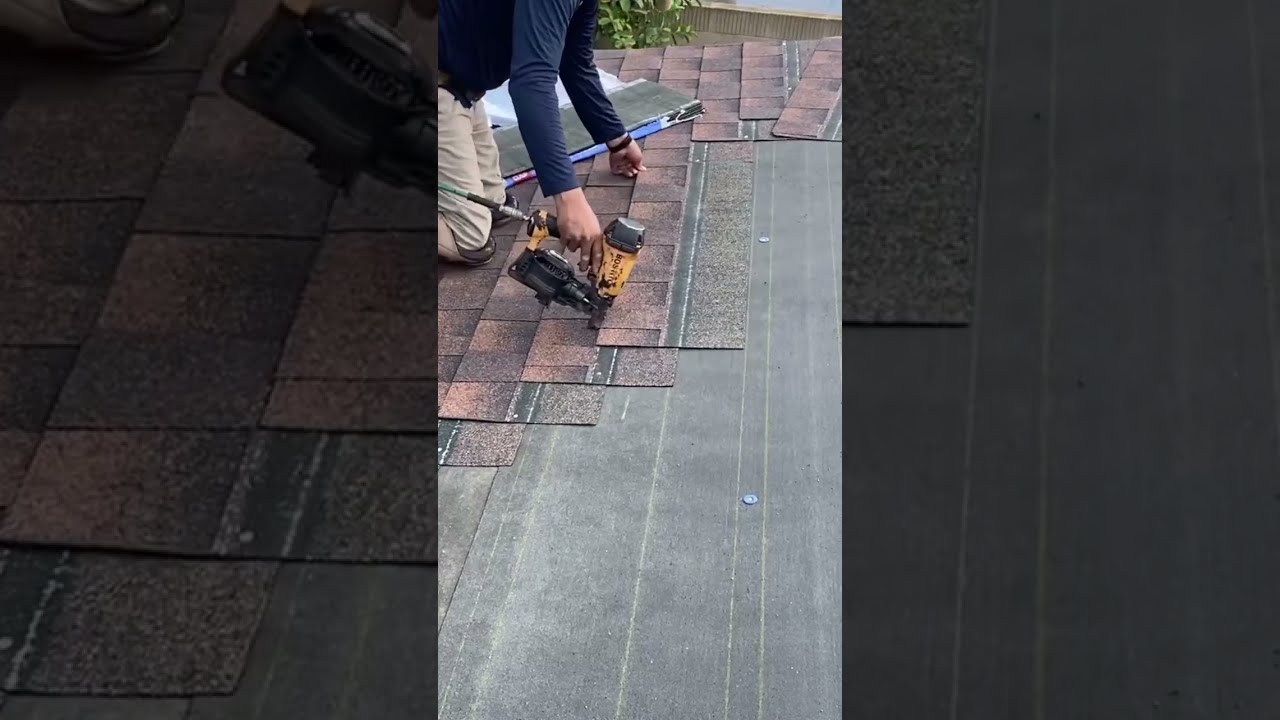
Manufacturing is where ambition meets reality. Cedral invested in controlled, mechanized processes that produce consistent boards and tiles. Automated mixing ensures proper fiber dispersion; calibrated forming lines control thickness and surface profiles; and controlled curing ensures consistent strength. Quality control checkpoints exist at raw material receipt, post-forming, and use this link post-coating.
I once toured a Cedral production facility with an architect client. We watched automated cutters trimming boards and then conveyors ferrying profiles into oven-like curing tunnels. Samples were taken every hour for dimensional checks and surface adhesion tests. That level of process discipline reduces variability. In practice, that means installers get predictable fastener penetration, uniform tiling, and fewer rejected pieces.
What about waste and sustainability? Modern Cedral plants aim to reduce offcuts and recycle water used in mixing. They also focus on optimizing batch sizes to minimize inventory waste. Those process improvements translate into both environmental benefits and cost savings passed to clients.
How does manufacturing impact on-site quality? Consistency in thickness, edge profiles, and cut tolerances reduces field work and re-cuts. A crew spends less time coping boards and more time ensuring weatherproof lap details. On a large housing project I helped manage, sticking with Cedral eliminated a day per house that previously got eaten by coping mismatches.
Finished product testing is not theoretical. Cedral performs bending tests, nail-pull resistance, and adhesion checks. That’s a good sign: they validate mechanical performance, not just visual standards. Those checks explain why installers report fewer breakages and fewer warped tiles compared to earlier fiber cement offerings.
3.1. Quality Assurance, Testing, and Certifications
Trustworthy roofing demands robust testing and transparent quality assurance. Cedral provides technical data sheets, test certificates, and often third-party accreditation for fire resistance, wind uplift, and ageing. That documentation matters to engineers who must certify compliance with building codes.

What specific tests are common?
- Flexural strength tests to verify bending resistance. Freeze-thaw cycles for cold-climate durability. Water absorption tests to limit swelling and deterioration. UV weathering tests for surface retention. Pull-out tests for fixings to check wind uplift resistance.
I’ve asked for and reviewed Cedral test certificates during specification phases. Those documents are detailed and usually include lot numbers and production dates. That transparency helps with warranty claims and long-term performance projections.
Certifications such as CE marking (in applicable regions), fire class ratings, and EPDs are important for project approvals and client confidence. If you’re working in areas with restrictive planning or insurance requirements, ask for the specific local certifications and ensure the product version supplied matches the certified batch.
Field quality assurance also matters: keep records, register products with the manufacturer, and ensure installers follow prescribed fixing patterns. On a large social housing project I oversaw, registration with the manufacturer and periodic site inspections prevented a small misapplication of sealant that would have become a headache later.
4. Installation Best Practices: Avoiding Common Pitfalls
Even the best materials fail if installed poorly. I can’t tell you how many remedial visits I’ve made where a roofing product was sound but installation shortcuts caused leaks. Cedral’s manuals are clear: correct substrate preparation, fastening schedules, and sealing regimes are non-negotiable.
Substrate and framing: Ensure the roof deck is flat and adequately supported. Fiber cement tiles require continuous support or battens sized to the profile. Over-spaced battens lead to point loads and breakage. In renovations, check existing timber for rot or insect damage before overlaying new Cedral roofing. Replace any suspect members.
Fixings: Use the specified stainless steel or coated nails/fasteners. Avoid overdriving or underdriving screws. Fastener position relative to lap lines matters; incorrect placement can open capillary routes for water. I once saw a roof where fixings were set too close to the edge, causing splitting and a cascade of micro-failures — entirely avoidable.
Movement joints and thermal expansion: Board and tile systems expand and contract. Cedral’s instructions call for specific gaps and movement joints at eaves, ridges, and penetrations. Ignoring these recommendations is a primary cause of paint flaking and seam opening. Follow their guidance and accommodate movement with flexible sealants where needed.
Flashing and detailing: Flashings must be installed to guide water away from vulnerable joints. Use purpose-made Cedral trims where possible. At hips and valleys, ensure underlayment is continuous and flashings are bedded correctly. Poorly detailed penetrations (skylights, chimneys, rooflights) are the most common leak sources. Treat them as bespoke details rather than afterthoughts.
Ventilation and condensation: Roof systems without adequate ventilation can trap moisture and degrade insulation and timber. Ensure soffit, ridge, or mechanical ventilation is sized for the roof area. For roofs over habitable space, follow condensation risk assessments.
Training and trades: Provide hands-on training for installers, especially when switching from different roofing materials. I’ve delivered on-site briefings for trades who were used to slate rather than fiber cement. That training reduced breakage and sped up the learning curve.
Installation checklist (short):
- Inspect and prepare substrate. Verify product batch and register if needed. Follow fastener type and spacing. Maintain specified movement gaps. Use manufacturer’s trims and compatible sealants. Inspect work during and after installation.
When contractors stick to the script, warranties hold and owners sleep better.
4.1. On-Site Experience: Lessons from Projects and Client Stories
Project experience is where product theory turns into practical wisdom. Let me share three client stories that taught me the invaluable role of detail and coordination.
Case 1: The Coastal Retrofit A family in a coastal town wanted the aesthetic of dark slate without the weight. Cedral slate-look tiles were used. The installation team used Cedral’s stainless fixings and coastal-grade paint finish. Two years on, the homeowners reported no staining, the gutters remained clear, and the wind uplift performed as predicted during a winter gale. Lesson: match material selection to environment and don't skimp on specified fixings.
Case 2: The Modern Extension A contemporary extension used Cedral smooth boards laid vertically to emphasize height. The contractor initially cut corners with trims, using generic metal flashings. Within a year, differential thermal movement caused paint cracking at verge details. The remedy involved replacing trims with Cedral-certified verge profiles and resealing joints. Lesson: use system-matched accessories to accommodate thermal and mechanical behavior.
Case 3: Large-Scale Housing Scheme On a 120-unit development I inspected, Cedral roofing was specified across multiple house types. Early in the program, a subcontractor unfamiliar with Cedral’s movement gaps installed boards tight to each other. The manufacturer’s field rep caught the issue during a site visit; corrections were swift and covered under the project warranty. Lesson: early manufacturer involvement and training prevented a program-wide issue.
These stories underline the practical truth: manufacturing quality matters, but so do installation discipline and communication across the supply chain.
5. Warranties, Lifespan, and Maintenance: What Clients Should Know
Warranties are the document that bridges marketing and reality. Cedral offers product warranties that cover manufacturing defects, surface performance, and sometimes colour retention. But warranties come with conditions: proper installation, documented maintenance, and use of approved accessories and sealants.
Expected lifespan? With proper installation and regular maintenance — gutter clearing, prompt repair of any roof penetrations, and periodic inspections — Cedral roofs commonly reach 30 years or more. That lifespan compares favorably to many alternatives and often outperforms timber shingles or painted metal without frequent maintenance.
Maintenance tasks are straightforward:
- Clear gutters and fall debris during autumn. Inspect flashings and seals annually. Replace any cracked or damaged tiles promptly. Repaint or touch-up exposed edges if recommended by the manufacturer.
Are warranties transferable? Some are; others may require registration at the time of installation and may include clauses about transfers. Always read the small print. On a recent job, a client assumed the warranty would automatically transfer on sale. Because they hadn’t registered the installation with the manufacturer, the warranty was limited. We rectified this by retroactive registration, but it’s a preventable hassle.
What voids a warranty? Common causes:
- Non-approved fixings and sealants. Installation outside the manufacturer’s guidelines. Failure to allow for movement gaps. Structural problems unrelated to the roofing product.
For sensitive builds — coastal, high wind, or exposed rural locations — request site-specific recommendations and documented uplift calculations. Those allowances often become part of the warranty terms.
Finally, lifecycle costing often favors Cedral. Lower maintenance and longer replacement cycles reduce total cost of ownership, especially for homeowners who value longevity over short-term savings.
5.1. Transparent Advice on Claiming and Managing Warranties
If you ever need to claim a warranty, act methodically. Here’s a checklist based on my involvement in several claims:
Gather documentation: installation date, contractor name, product batch numbers, and any registration receipts. Photographically document the issue with dates. Review the warranty terms: what’s covered, what’s not, and the period of coverage. Contact the manufacturer’s technical service for site inspection. Keep records of any remedial work performed — who did it and why. Use approved materials for repairs to avoid voiding the warranty.One client I assisted had a minor but visible surface chalking issue. They had registered the product and kept the invoice and photos. The manufacturer provided a partial surface touch-up solution under warranty and advised on compatible re-coating steps. The claim was resolved in three weeks with minimal disruption.
My advice: treat the warranty process as a contractual relationship. Keep records, follow procedures, and engage the manufacturer early. That approach usually gets results faster than assuming a dispute will resolve itself.
6. Sustainability, Environmental Impact, and Material Lifecycle
Sustainability is not a buzzword here; it’s increasingly a baseline expectation. Cedral’s use of fiber cement implies certain lifecycle characteristics: durable product, potential for long service life, and recycling options for offcuts. The company has made strides in lowering the embodied energy of production and improving resource efficiency.
What are the sustainability benefits?
- Longevity reduces the frequency of replacement, which lowers embodied carbon across a building’s life. Optimized manufacturing reduces waste and energy per unit produced. Some Cedral products carry EPDs or equivalent documentation showing environmental impacts.
However, sustainability also depends on responsible sourcing and end-of-life planning. Fiber cement can be recycled or repurposed, but its disposal must comply with local regulations. In renovation projects, I recommend planning for reuse of intact boards and proper segregation of waste.
I advise clients to request EPDs and lifecycle assessments when environmental performance is a material selection criterion. For public-sector projects and green-certification schemes (BREEAM, LEED), documented environmental performance can be crucial for scoring.
A practical tip: order materials to minimize offcuts by planning roof layouts to standard profile lengths and considering factory-cut sizes where available. Less cutting on site reduces waste and labor.
6.1. Circularity and End-of-Life Considerations
End-of-life planning matters. Even durable roofs eventually require replacement. Cedral encourages recycling and offers guidance on disposal and reuse. In some jurisdictions, firms accept returned cutoffs for recycling; in others, local contractors reuse intact pieces for outbuildings or repairs.
Design for disassembly helps: use mechanical fixings that can be removed without destroying tiles. That approach keeps reclaimed material in better condition and opens reuse possibilities. On a community hall refurbishment, reclaimed Cedral tiles were used for a covered walkway, demonstrating both cost savings and circularity.
My transparent view: no material is perfectly sustainable. The best strategy combines durable products, careful installation, and end-of-life planning. Cedral’s range is strong on durability; the rest depends on how specifiers and contractors manage waste and reuse.
7. Cost Considerations and Value for Money: Comparing Cedral to Alternatives
Price is always part of the decision. Cedral products typically cost more upfront than basic metal sheets or membrane systems, but less than natural slate with comparable aesthetics. When you factor lifecycle costs — maintenance, replacement frequency, and insurance implications — Cedral often sits in a favorable position.
Let’s break it down:
- Upfront cost: Mid-range. Higher than corrugated metal, lower than premium slate. Installation speed: Moderate. Faster than slate, slower than single-layer membrane or metal roofing. Maintenance: Low. Regular upkeep is minimal. Lifespan: Long. Expect multiple decades in well-maintained installations. Aesthetic value: High. The visual fidelity to slate or shingle profiles can add perceived value.
Here’s a simplified cost comparison table (indicative only):
Material Typical Upfront Cost (per m²) Expected Lifespan Maintenance Cedral Fiber Cement £25–£40 30+ years Low Natural Slate £40–£80 50–100 years Medium Metal Roofing £15–£35 20–40 years Medium (corr. Roofs need checks) Asphalt Shingles £10–£25 15–30 years MediumNumbers depend on region, labour, and specifics. But the takeaway is clear: Cedral provides a balanced offering of aesthetics, durability, and reasonable cost. For homeowners seeking a realistic slate aesthetic without the weight and expense, it often gives the best value.
Negotiation tip: ask suppliers about volume discounts, and make sure to include accessory costs in quotes. Trims and flashings can add up if not included in initial pricing.
7.1. Choosing Cedral for Rehabilitation vs New Build Projects
Should you choose Cedral for a retrofit or a new build? Both scenarios play to different strengths.
Retrofit advantages:
- Lighter weight than slate, reducing load on existing rafters. Easier handling and quicker installation reduce site disruption. Matches local aesthetics in conservation areas where permitted.
New build advantages:
- Seamless integration into modern assemblies with matched trims. Opportunity to coordinate ventilation, insulation, and waterproofing for best performance. Easier to budget and plan labor when installed from day one.
Beware of structural surprises in retrofits. Always inspect rafters and underlay before ordering. On an older farmhouse conversion I worked on, the rafters needed sistering to carry new boards safely — a small but essential cost that, when accounted for early, prevented delays.
In new builds, coordinate early with mechanical and insulation trades to ensure the roofing system supports the overall thermal and moisture control strategy.
Frequently Asked Questions (FAQs)
Q1: How durable is Cedral roofing compared to traditional slate? A1: Cedral fiber cement roofing is highly durable and designed for 30+ years of service with proper installation and maintenance. While natural slate may outlast Cedral in some cases (slate can last 50–100 years), Cedral offers comparable aesthetics at lower weight and cost, with consistent manufacturing quality that minimizes on-site surprises.
Q2: Does Cedral perform well in coastal or salt-laden environments? A2: Yes, Cedral formulations and recommended stainless fixings are suited for coastal conditions. The manufacturer performs salt spray testing, and using coastal-grade accessories will improve longevity. Regular inspections and maintenance are advised in high-exposure locations.
Q3: Are replacement parts and trims readily available? A3: Cedral provides a range of matching trims, ridges, and accessories. Availability depends on region, so confirm local distributor stock and lead times during specification to avoid installation delays.
Q4: Can Cedral be installed over an existing roof covering? A4: In some cases, yes, but it depends on existing structural capacity, local building regulations, and ventilation requirements. It’s often better to remove old coverings and inspect the substrate, especially for older structures.
Q5: What maintenance does a Cedral roof require? A5: Routine maintenance is minimal: clear gutters and debris, inspect flashings annually, replace any damaged tiles, and ensure sealants remain intact. Prompt minor repairs extend service life significantly.
Q6: How do warranties work and what can void them? A6: Warranties typically cover manufacturing defects, sometimes colour retention, and other performance aspects. They require proper installation, approved fixings and sealants, and often product registration. Failure to follow installation instructions, use of incompatible materials, or lack of registration can void warranty coverage.
Conclusion
Choosing a roofing material is a long-term decision that blends aesthetics, performance, and cost. Cedral’s roofing range, developed through deliberate R&D, robust manufacturing, and system-level thinking, offers a compelling balance of looks and longevity. From my on-site experience and the client stories I’ve shared, Cedral performs best when teams respect the installation instructions, use matching accessories, and plan maintenance. If you want a roof that looks like traditional materials but behaves like a modern engineered system — and you want fewer surprises over two or three decades — Cedral is worth serious consideration.
If you’re planning a project and want a practical assessment — roof condition surveys, specification alignment, or bid reviews — I can help. Let’s map out the options, weigh lifecycle costs, and make sure your roof delivers both protection and curb appeal for years to come.